Termites in HDB flats: signs, what to do and treatment options
Termites in HDB flats: early signs like mud tubes and damaged woodwork, what to do first, treatment options, and who usually pays for treatment.
Updated 1 min read
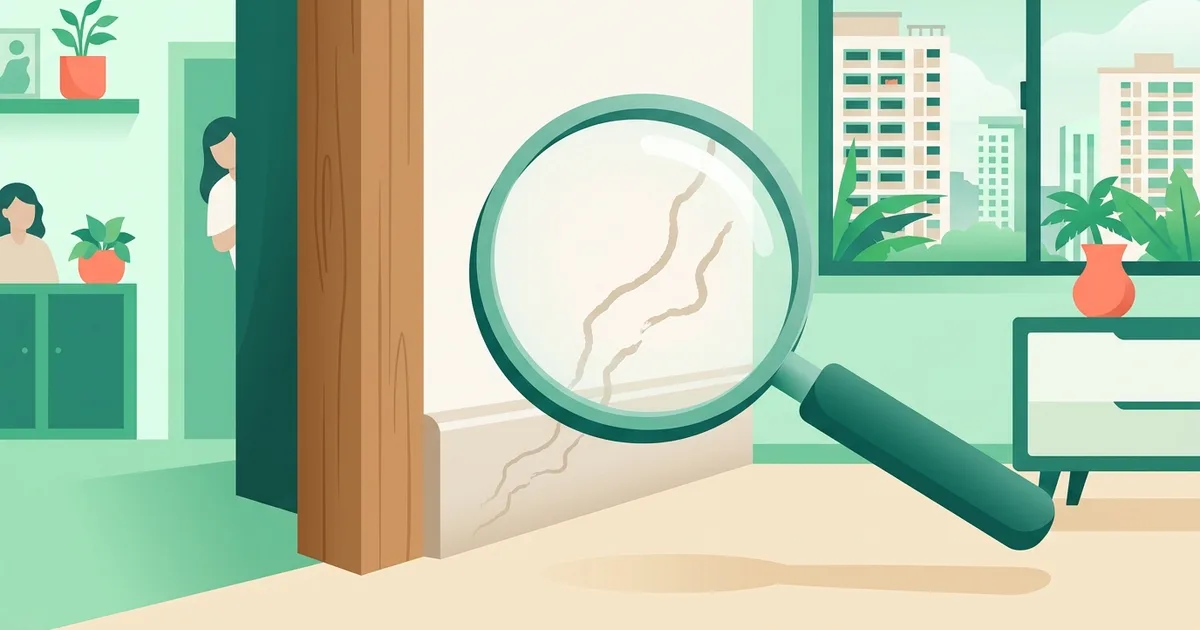
Termites in HDB flats are more common than many owners expect, and they can damage doors, frames and built-in carpentry before anyone notices. Here's how to spot them early and what to do.
Signs to look for
- Mud tubes: thin, pencil-width tunnels of soil on walls, door frames or skirting.
- Winged swarmers: sudden swarms near lights or windows, or piles of discarded wings.
- Damaged woodwork: doors, frames or cabinets that sound hollow, sag or crumble when pressed.
- Bubbling paint or tiny holes in wooden surfaces.
Upper floors aren't safe by default: subterranean termites can travel upward through mud tubes, and some termites nest inside wooden structures and furniture without touching the ground.
What to do first
- Don't disturb or spray the area. It can scatter the colony.
- Take photos of what you see.
- Get an inspection from a pest control company registered with NEA.
- Tell HDB or your town council if you suspect it's coming from common areas or spreading in the block.
Treatment options
Treatment depends on the termite type and how far it has spread. Common approaches include spot treatment of affected woodwork, baiting systems that target the colony, and more extensive soil or structural treatments. Operators price these after inspection; see our pest control cost guide.
Who pays
HDB owners are generally responsible for maintaining the inside of their flats, including pest treatment. Renting? Check your tenancy agreement: landlords often handle termite treatment.
Prevention
- Keep wooden furniture and boxes off damp floors.
- Fix leaks quickly: moisture attracts termites.
- Ask your renovation contractor about anti-termite treatment for new carpentry.
Get up to 3 quotes
Describe what you're seeing and up to 3 vetted pest control companies contact you. Start on our pest control page.
Frequently asked questions
How do I know if I have termites?
Common signs include thin mud tubes on walls or woodwork, swarms of winged insects or discarded wings near windows and lights, and wooden doors, frames or cabinets that sound hollow or crumble.
Can termites reach high floors?
Yes. Subterranean termites can travel upward through mud tubes, so upper-floor flats aren't safe by default, and some termites nest in wooden structures and furniture without ground contact.
Who pays for termite treatment in an HDB flat?
Flat owners are generally responsible for maintaining their homes, including pest treatment. Report it to HDB and your town council if you suspect it's spreading in the block, and get a licensed pest controller's inspection on record.
Should I spray termites myself?
Not as a first step. Spraying can drive termites elsewhere and make treatment harder. Get an inspection from a licensed pest control company first.
Sources
- Rentokil Singapore: termite control for condo and HDB
- Rentokil Singapore: termite treatment price factors
- NEA: vector control operators
Facts checked against these sources on 19 October 2026. Rules and prices change, so confirm with the source or provider before you rely on them.
Related guides
 6 best pest control services in Singapore (2026): prices compared6 pest control services in Singapore compared: published prices for cockroaches, bed bugs and termites, NEA licences, warranties, and how to choose.
 Pest control cost in Singapore (2026): general pests and termitesPest control cost in Singapore for 2026: typical prices for cockroach, ant and rodent treatments and termite jobs, and how to check a licensed operator.